Engineering Clarity at the Wild Edge
Why the future of leadership development will be built in motion, not meetings
There is a quiet revolution happening in leadership development, and it is not coming from business schools, performance dashboards, or the latest management theory.
It is emerging at the edge of lakes, on ridgelines, and on long, honest walks where leaders finally have the space to hear themselves think.
At WildEdge Worx , we have spent years building and refining a set of frameworks that combine rigorous business coaching with deliberately designed experiences in nature. The result is something we struggled to name for a long time, because it does not fit neatly into an existing category.
What we engineer is not motivation or insight. We engineer conditions.
And under the right conditions, exceptional leadership emerges with surprising speed.
The leadership problem most frameworks miss
Most leadership development assumes that the barrier to better leadership is cognitive. Leaders are taught new models, new strategies, and new ways of thinking, with the assumption that clarity and confidence will follow.
What neuroscience and lived experience increasingly show is that this assumption has the order wrong.
Under sustained pressure, the nervous system prioritises vigilance over perspective. Attention narrows. Creativity reduces. Decision-making becomes reactive rather than discerning. Leaders remain highly capable, yet feel foggy, heavy, or subtly disconnected from their own judgement.
This is not a lack of intelligence or ambition. It is a predictable physiological response to modern leadership conditions.
You cannot out-think a dysregulated system.
Why nature is not a backdrop, but a mechanism
Time in natural environments reliably shifts nervous system state. Research in environmental psychology and neuroscience shows reductions in cortisol, restoration of directed attention, and improved executive function following even short periods outdoors.
The Attention Restoration Theory developed by Rachel and Stephen Kaplan explains why this works. Natural environments engage the brain through “soft fascination,” allowing overworked top-down attention systems to recover. In plain terms, nature gives the thinking mind its fuel back.
More recent EEG studies have shown enhanced activity in executive control regions of the brain after walks in nature compared to urban settings. The implication for leaders is profound. Within an hour, the brain becomes measurably better at the kind of complex, integrative thinking leadership demands.
This is why a leader can sit for weeks staring at a strategy problem indoors, then resolve it halfway through a walk on the moors.
The insight was not missing. The conditions were.
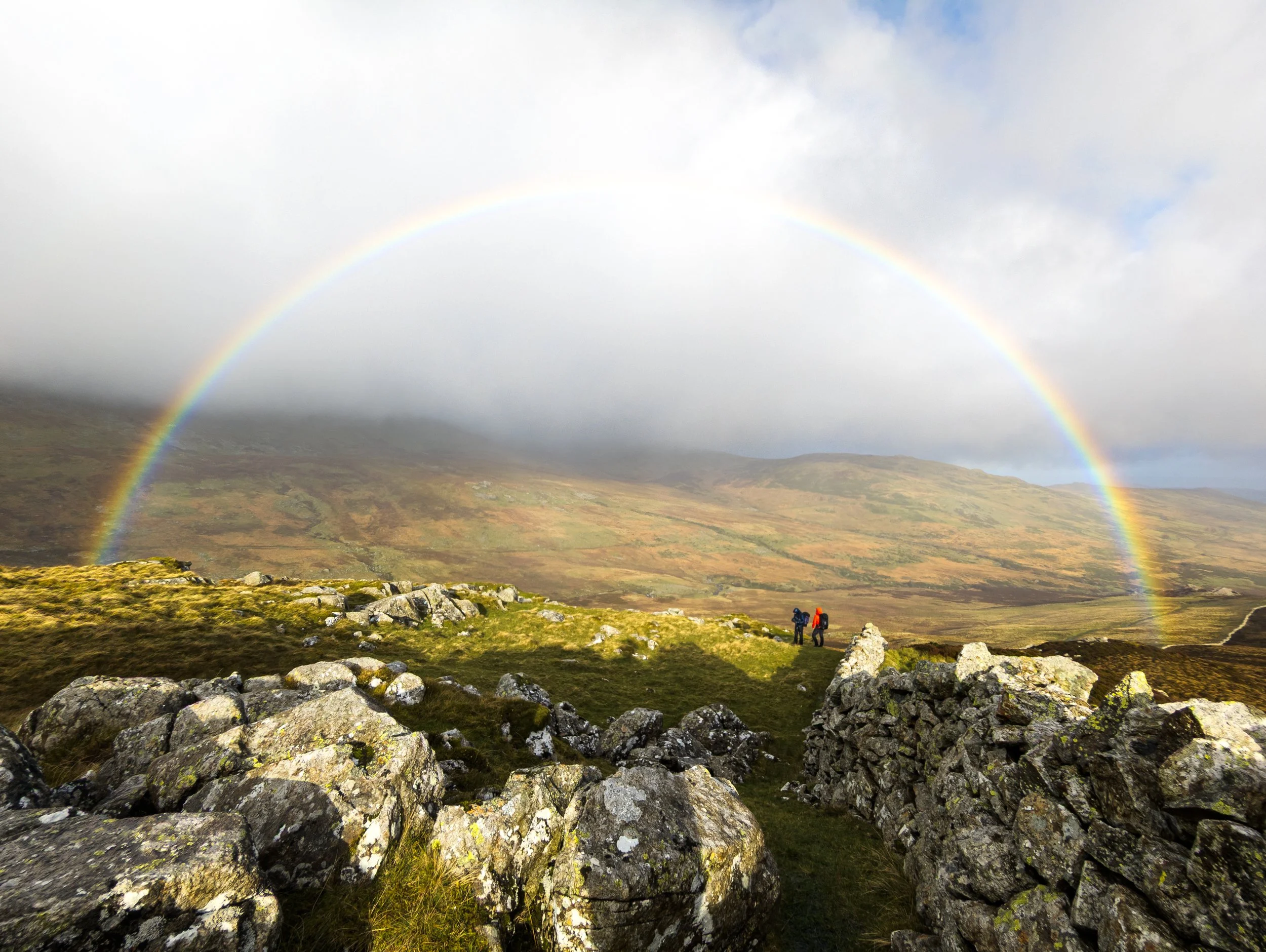
A recent WildEdge Trailblazer Day
Why movement changes the quality of thinking
Walking does something that sitting does not.
Studies from Stanford University have shown that creative output increases dramatically while walking compared to sitting, even when the walking takes place indoors. When movement is combined with outdoor space, the effect is amplified.
Movement supports bilateral brain activity and reduces cognitive rigidity. It also changes social dynamics. Walking side by side removes the subtle performance pressures that come with seated, face-to-face conversation. Leaders speak more honestly, explore ideas more freely, and arrive at conclusions that feel internally authored rather than externally imposed.
This is why Trailblazer Days often unlock decisions that months of meetings have failed to shift.
We are not coaching harder. We are engineering a different cognitive and physiological state
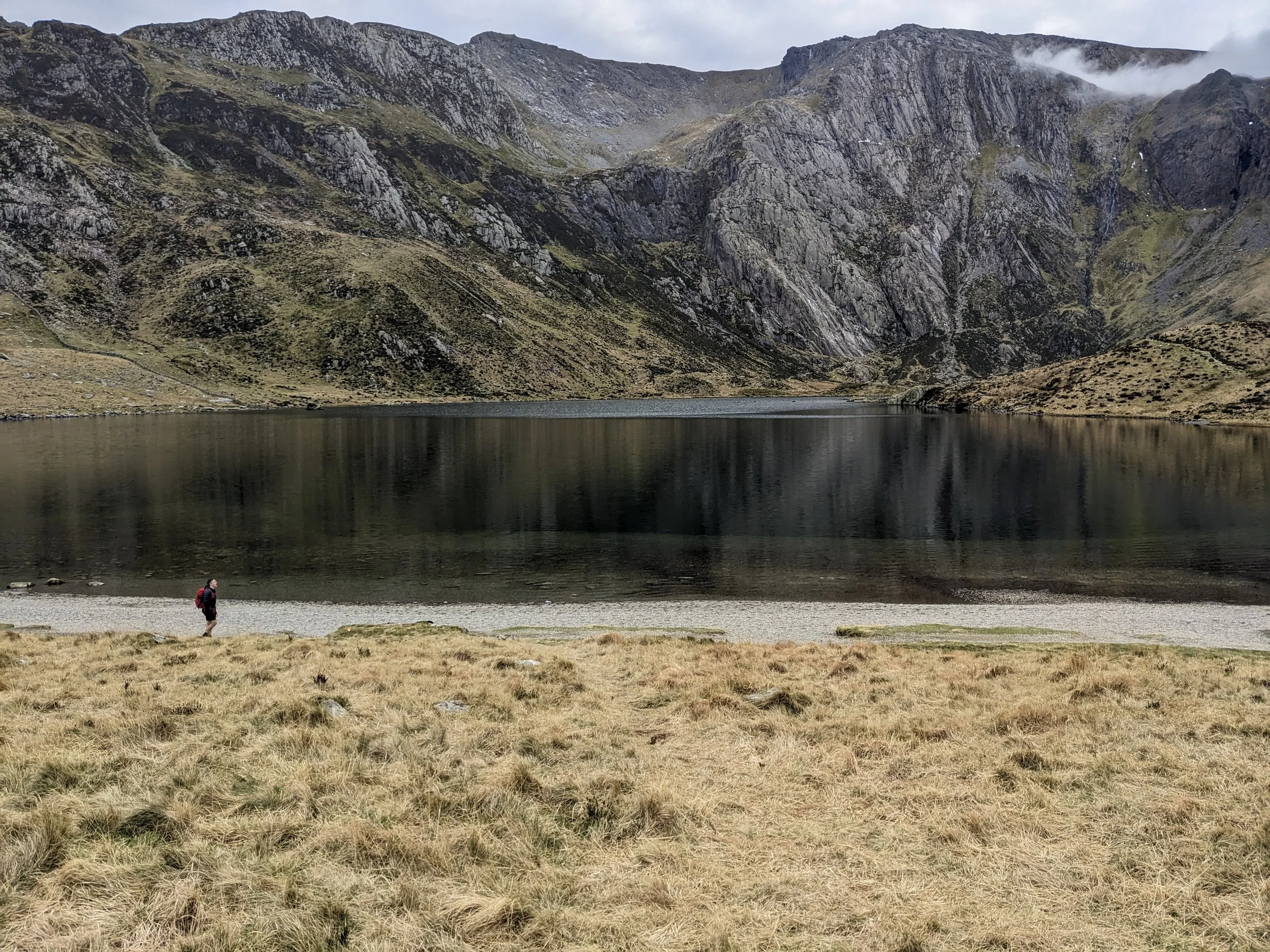
A recent client Trailblazer Day
Cold water and the science of courage
Cold water immersion adds another layer to this work, and it is one that is frequently misunderstood.
Cold exposure triggers a powerful stress response, including sharp increases in norepinephrine and dopamine, neurotransmitters associated with focus, mood, and motivation. These changes are not merely stimulating. They train the nervous system to tolerate intensity without collapse.
Researchers describe this as stress inoculation. Repeated, supported exposure teaches the body that discomfort does not automatically equal danger. With breath and attention regulated, the parasympathetic nervous system reasserts control.
For leaders, this is not about toughness. It is about agency.
When the body learns it can remain present under physiological stress, difficult conversations, uncertainty, and high-stakes decisions become more navigable. Leadership steadies, not because confidence has been hyped, but because self-trust has been embodied.
This is courage that holds under pressure, not bravado that evaporates when things get uncomfortable.
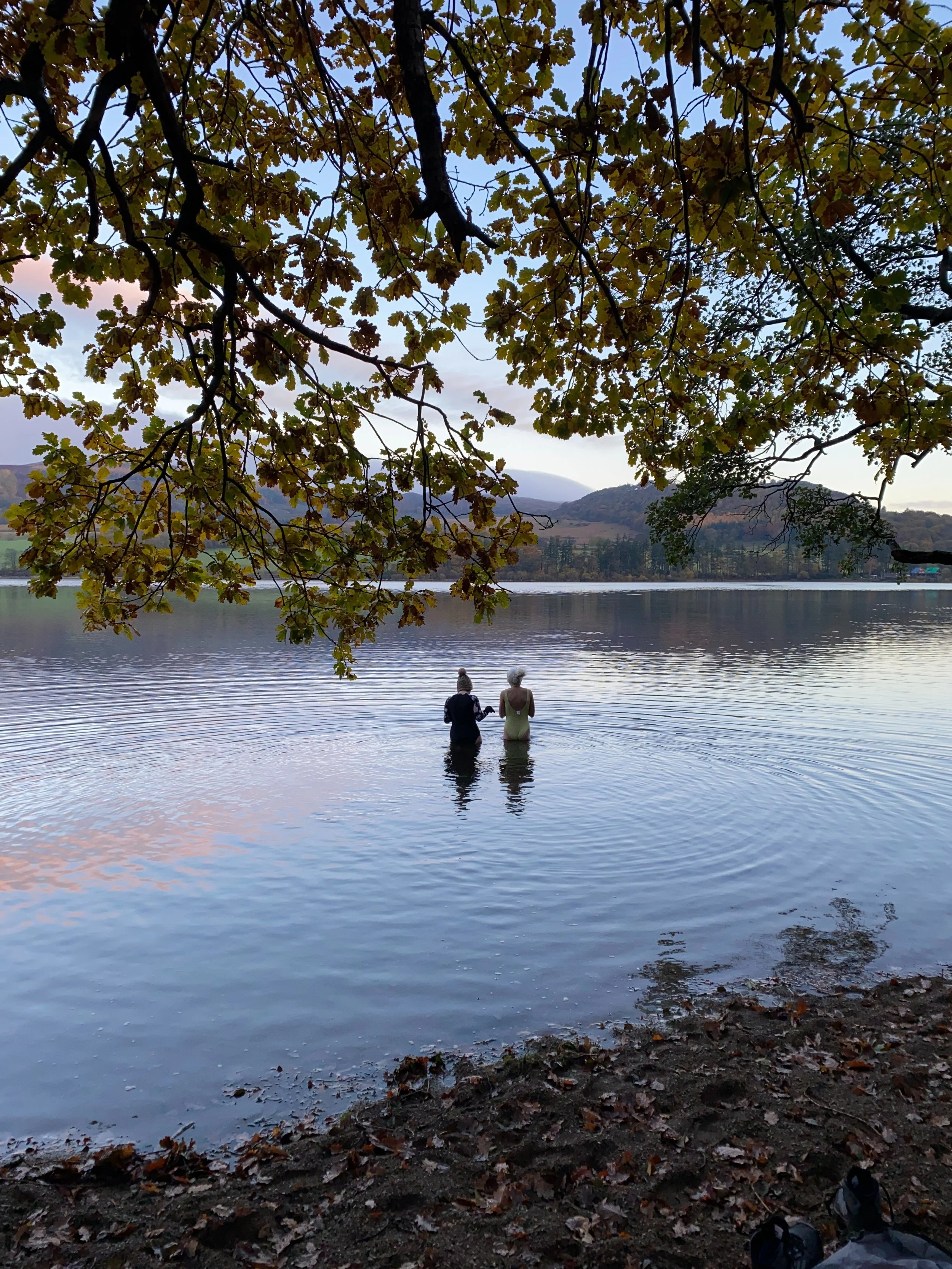
The Rewilding retreat
Awe, perspective, and identity recalibration
There is another ingredient in nature-based work that science is only recently naming with precision.
Awe.
Research led by psychologists such as Dacher Keltner shows that experiences of awe reduce self-preoccupation, increase openness, and enhance meaning-making. Awe temporarily loosens rigid identity narratives and restores a sense of proportion.
For leaders, this matters enormously.
In awe-inducing environments, problems shrink to their true size. Ego quietens. Values sharpen. Decisions become less reactive and more aligned with what actually matters.
This is why so many pivotal leadership moments occur not at desks, but on summits, beside water, or in wide, open landscapes.
Awe does not distract leaders from responsibility. It helps them see it clearly again.

The Rewilding retreat
Why this combination works so powerfully
None of this replaces rigorous business coaching.
It makes it land.
At WildEdge, we work deeply with strategy, decision-making, leadership identity, and commercial reality. Much of that work happens online or in organisational settings. What nature-based experiences do is remove the static that prevents that work from taking hold.
A Trailblazer Day creates the state change. The coaching embeds the change. The business results follow.
This is why leaders often describe our work as both surprisingly fast and unusually durable. The clarity they gain is not just understood. It is felt.
Months later, when pressure returns, their nervous system remembers what steady feels like. That memory changes how they lead.
A category of one
This is why we have started to think of ourselves as business growth engineers.
Not because we manufacture outcomes, but because we design systems in which growth becomes the natural result. Growth in clarity. Growth in courage. Growth in leadership capacity.
We take the work seriously, and we do it with joy. We believe leadership can be both high-performing and deeply human. We believe the future of exceptional leadership will not be built solely in meeting rooms, but in motion, in nature, and in moments that remind leaders who they are beneath the noise.
The difference our frameworks make is visible in how leaders decide, how they show up, and how their businesses evolve.
And once you have experienced leadership from this place, it is very hard to go back.
If reading this has stirred a sense of recognition, or curiosity about what might be possible if you changed the conditions you are leading under, you might find yourself intrigued.
The first step is to explore a Beacon Session.
Sometimes, all it takes is one well-designed threshold moment to change the trajectory of everything that follows.
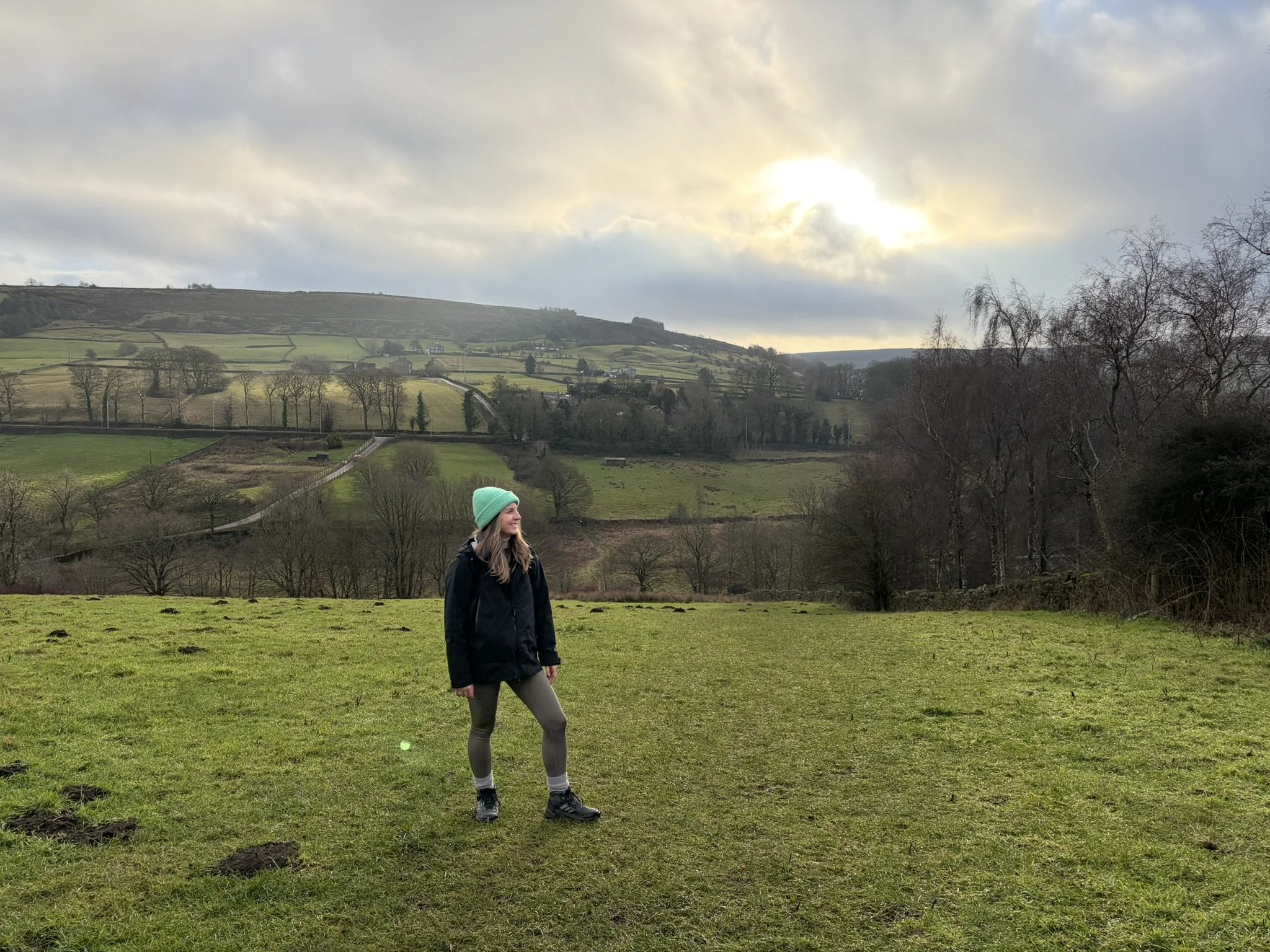
A Beacon Session in action.